Factory resetting your Windows 10 can solve your performance issues, remove malware, or prepare your PC for a new owner. This comprehensive guide covers step-by-step instructions on how to factory reset Windows 10, including methods for those who can’t access their accounts or settings.
What Is it and Why Do It?
It restores your Windows 10 system to its original state, wiping all the installed programs, your personal files, and system settings. This process is very useful for:
Performance Boost: Over time, installed software and accumulated files can slow down your system. A reset clears all of this. This reset will boost your system by removing unnecessary files.
Malware Removal: If your PC has been infected by malware that can’t be removed by antivirus software, a full system reset can quickly fix this issue.
Preparing for Sale or Transfer: If you plan to sell or give away your computer to someone, perform a factory reset to ensure that your personal information is wiped securely.
Always back up your important files before proceeding, because a reset can delete all data from your drive where Windows is installed. Remember, you can also perform a reset without data loss.
3 Ways to Factory Reset Your Windows 10
If your Windows 10 PC is constantly crashing or glitching, and using a troubleshooter proves ineffective, then a factory reset might help. There are multiple ways to reset your system. Because one method might not be useful for another. And it’s your choice whether you want to keep your files or not. I will explain each method in detail to ensure you understand it well.
Method 1: via Settings
Open Start Menu: Click the Windows icon at the bottom-left corner of your screen.
Go to Settings: Click the gear icon to access the Settings menu.
Select Update & Security: Within Settings, navigate to the “Update & Security” section.
Click on Recovery: On the left panel, select “Recovery.”
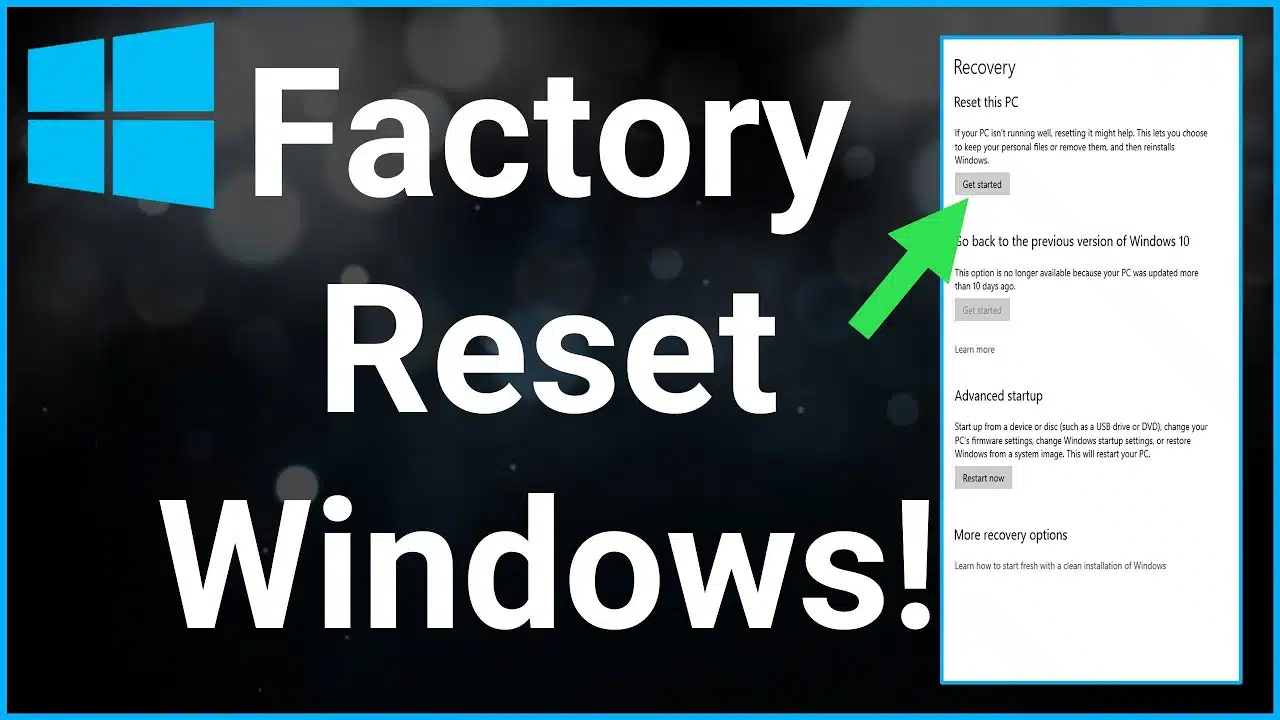
Reset Your PC: Click on “Get started” under “Reset this PC”.
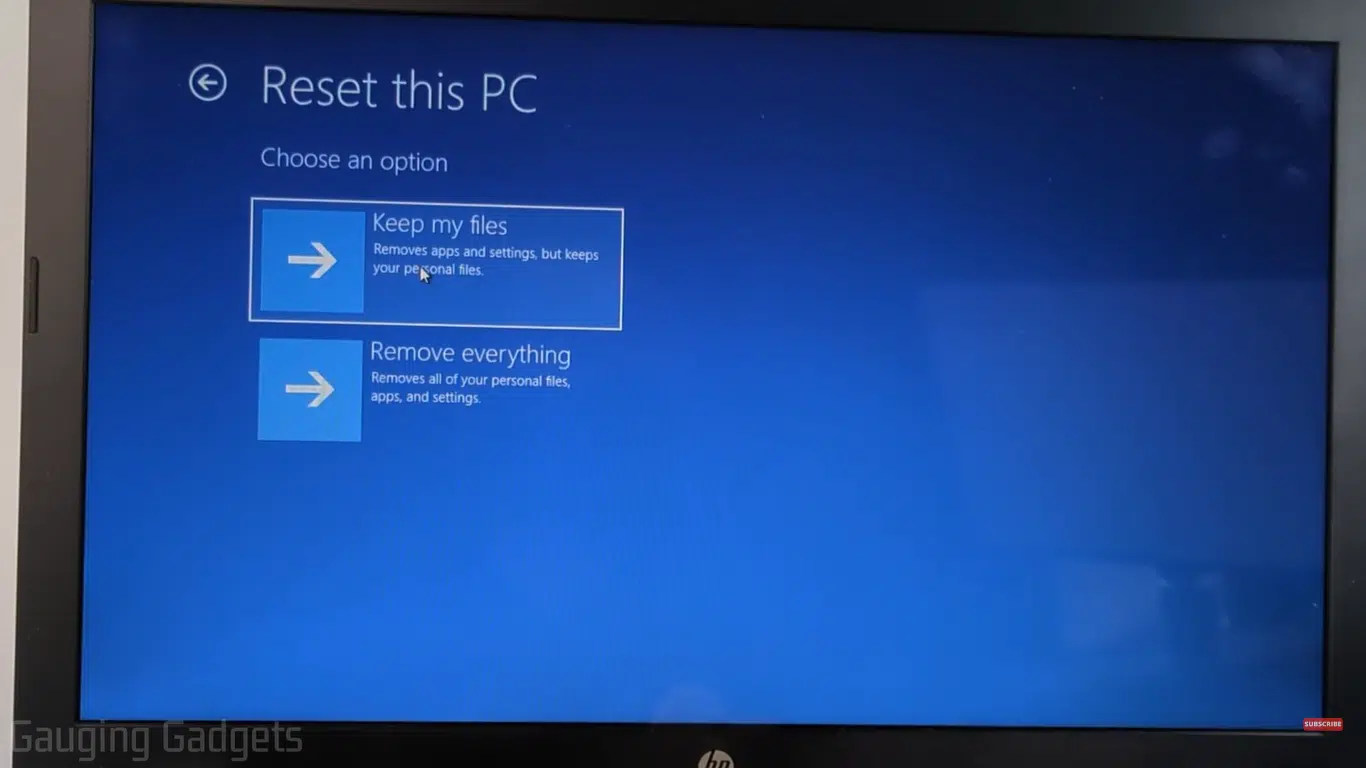
In the next Window, you can choose whether you want to “keep your files” or “Remove Everything”. Choose the “Keep your files” option if you are keeping your computer. It will reset your settings and apps, but keep your data. Opt for the “Remove Everything” (Recommended) option if you are going to sell your PC. It will remove all your files, settings, and data from your computer and return your PC to its clean state.
How would you like to reinstall Windows? You have two options: whether you want a local reinstall or you want to download a fresh copy of Windows from an online server.
Cloud Download will download a fresh copy of Windows from the online server. You must have an active internet connection with over 4GB of data to install your OS from the cloud.
Local Reinstall: Uses a local copy of Windows for reinstalling. Choose this option if you don’t have an Internet connection.
If you select “cloud download” to reformat your OS, a window with additional settings will appear. You can either click on “Next” or “Change Settings” to change your additional settings.
If you click “Change Settings”, you can toggle the switch on or off. If you want to restore preinstalled apps, keep the option on. On the other hand, the second option is whether you want to download and reinstall Windows or not. Once you have made the choice, click “Confirm” to continue.
After the restore has finished, your PC/Laptop will restart several times. After that, you will discover that everything you decided to remove is wiped out from your Computer. If you take a backup, you can recover your existing files and apps to restore deleted files.
Method 2: Without a Password
If you forget your password and cannot sign in to your PC. Don’t worry, you can still reformat your Hardware. Here is how you can reset Windows 10 without a password:
Start Your PC
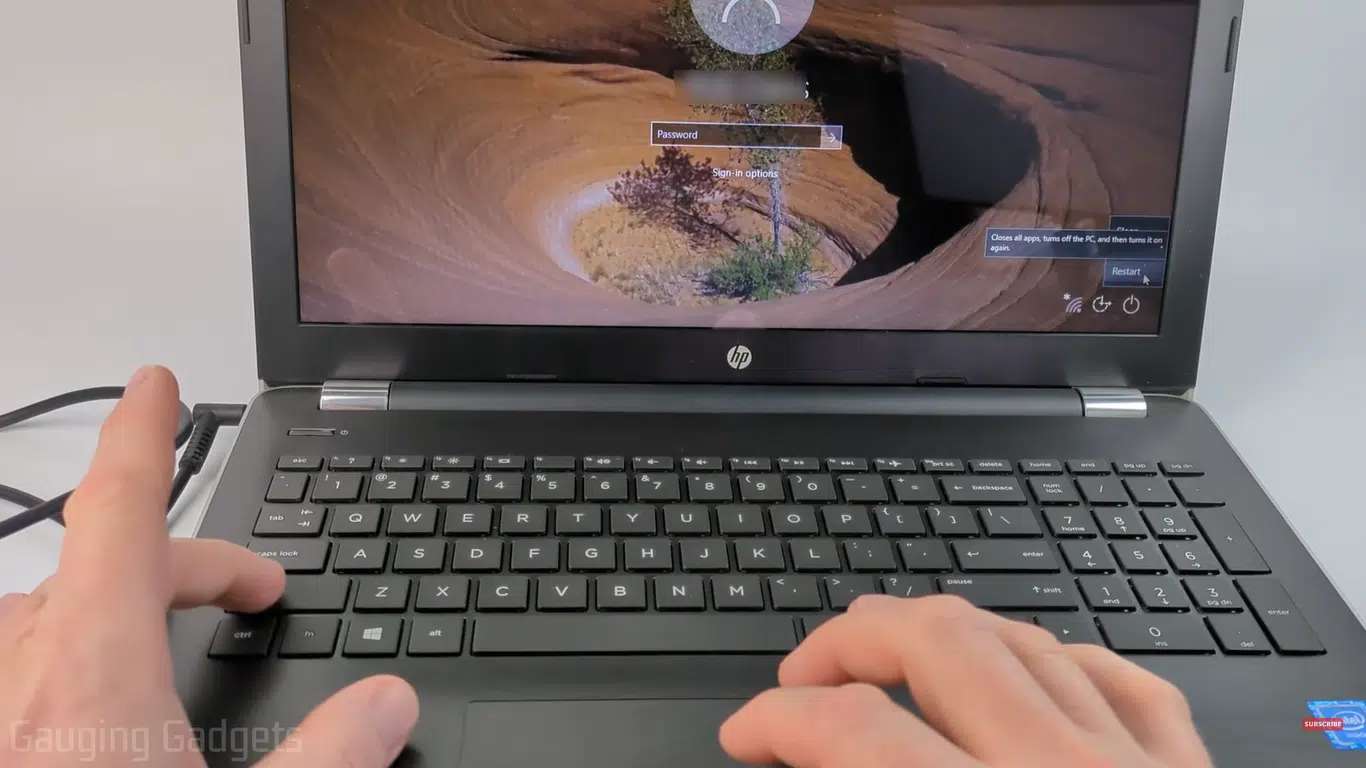
Turn on your computer and wait for the Windows login screen to appear.
Open Power Options
In the lower-right corner of the screen, click on the Power icon.
Enter Recovery Mode
Hold down the Shift key and, while holding it, click Restart. Keep holding Shift until the computer restarts in the Windows Recovery Environment (WinRE).
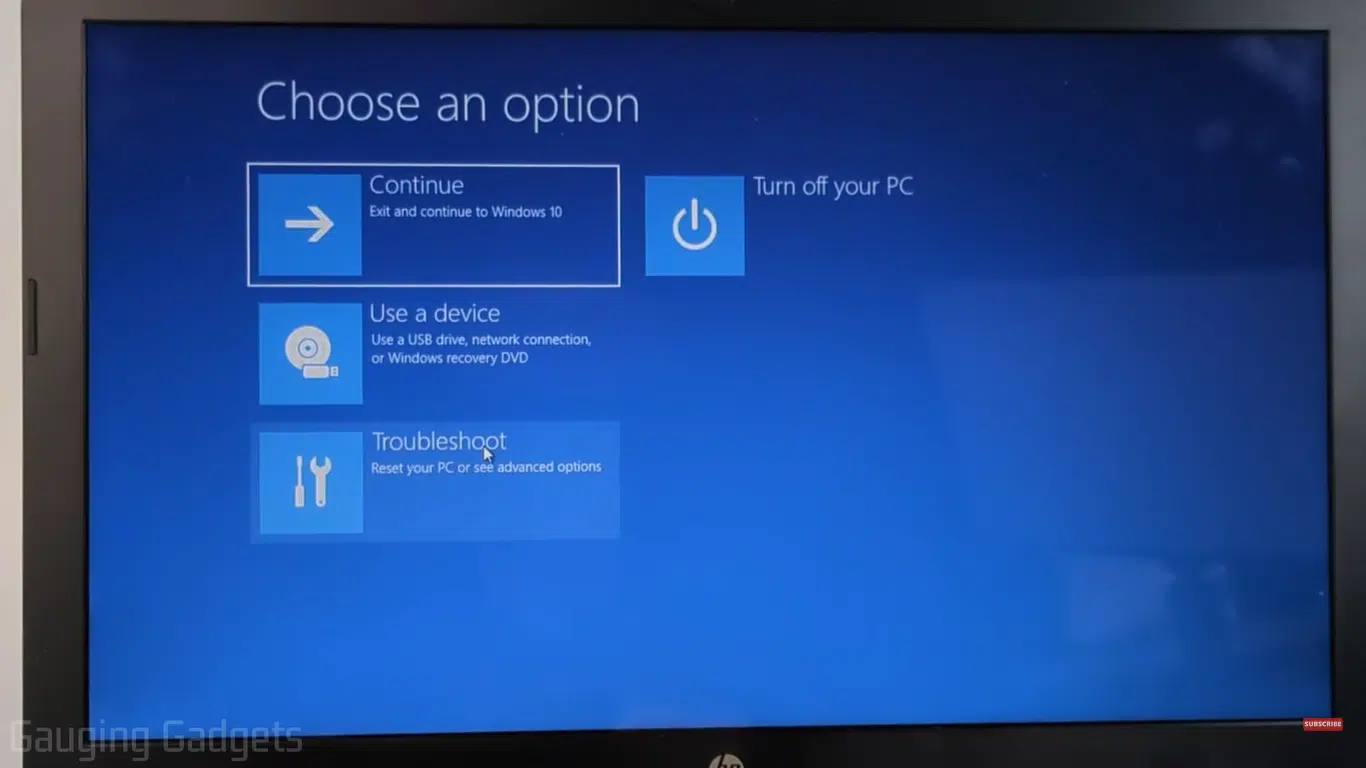
Select Troubleshoot
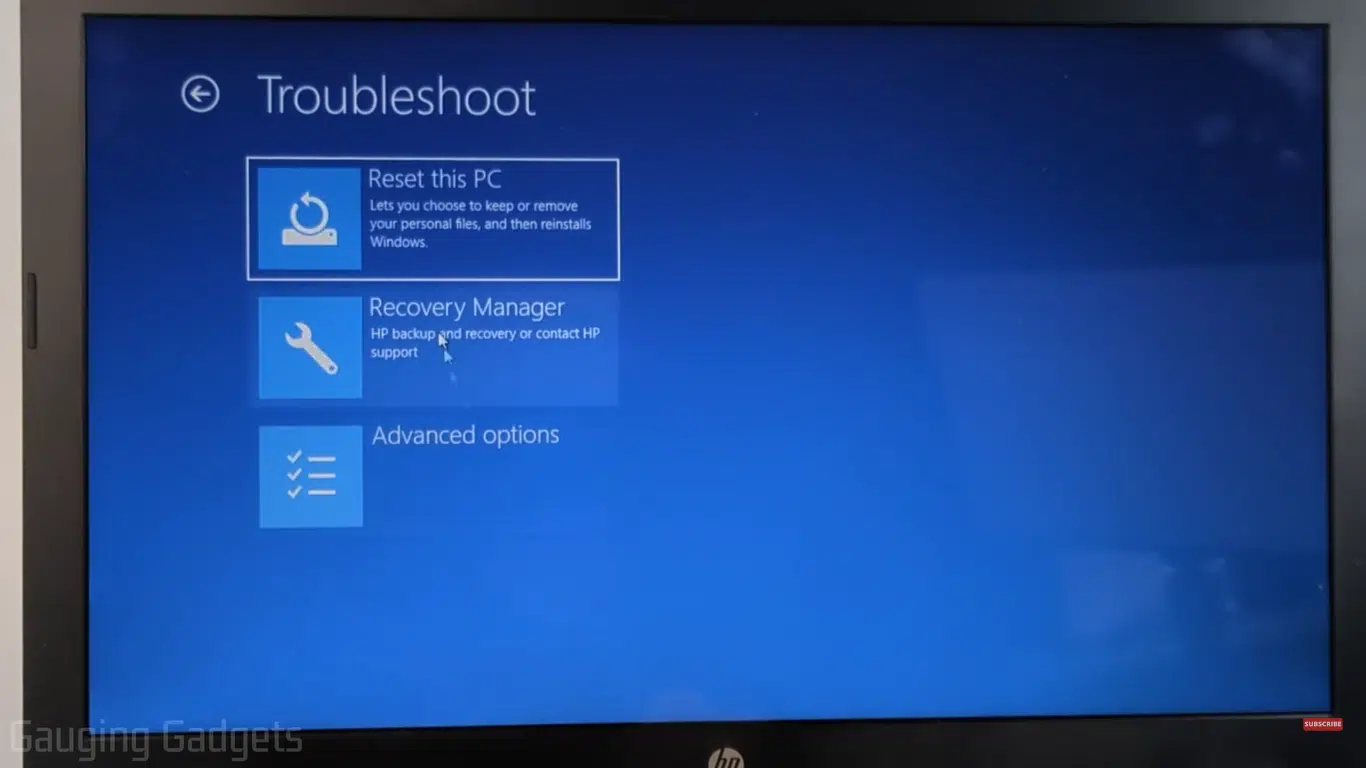
Once WinRE appears, click on Troubleshoot > Reset this PC.
Choose Format method:
In the next screen, choose “Remove Everything” to delete your settings, files, and data. Once you have made your choice, click next
Click the Reset Button
Finally, click the “Reset” button to begin the process.
Method 3: Using the BIOS (Using Installation Media)
If you cannot access your login screen, the last option is to reset it through BIOS using Installation Media, like a CD/USB.
Download Installation Media: On another device, visit the official Microsoft website and download the Windows 10 Installation Media Tool.
Create Bootable Media: Create a bootable USB drive or DVD through another system.
Insert Installation Media: Plug the bootable USB or insert the DVD into the PC you want to restore.
Boot from Installation Media: Restart your computer and press the key (usually F2, F12, Delete, or Esc) to enter the BIOS/UEFI settings. Now, change the boot order to boot from the USB drive or DVD.
Select Repair Your Computer: Once the installation setup screen appears, choose Repair your computer instead of installing Windows.
Navigate to Reset: Go to Troubleshoot > Reset this PC.
Choose Your Reset Option: Just like in Method 1, choose whether to keep your files or remove everything, then follow the prompts.
Best Practices
Before resetting your system, consider the following best practices:
Back-Up Your Data: Store important files in the cloud or on an external drive to avoid losing them during the reset.
Deauthorize Software: Deactivate licenses for software like Microsoft Office or Adobe Creative Cloud to avoid activation issues later.
Save your Product Key: If your Windows is activated with a digital license. Find and save your Product key to reactivate your PC later.
Common Issues and Troubleshooting
Reset Stuck at a Certain Percentage: If your reset process hangs, try restarting your device. If the issue persists, boot into Recovery Mode and try again. This error sometimes appears due to corrupt files.
Unable to Reset After Malware Attack: If a virus or malware prevents resetting, use Safe Mode to initiate the restore. If not, try to install a new Windows from a USB.
Visual Guides: Watch and Learn
If you did not understand well, watch this video tutorial to learn practically how to factory reset your Windows 10 on a PC/Laptop:
Conclusion
Factory resetting your Windows 10 device is the right way to resolve software issues, remove malware, or prepare your system for sale. Always back up your files and follow the methods above to ensure a smooth reset process. By doing so, you’ll have your PC running like new in no time. If you are still facing any issues, tell us in the comment box, and we will give you a solution ASAP.
Frequently Asked Questions (FAQs)
Does a factory reset remove Windows 10?
No, the factory reset will restore your system to its original state without removing the Windows 10 operating system.
How long does a factory reset take?
The reset process typically takes between 30 minutes to a few hours, depending on your system performance.
Can I reset my PC without losing personal files?
Yes, choosing the “Keep my files” option during the reset will preserve your personal files while removing apps and settings.
Haroon Rashid is a content writer with over two years of experience. He loves writing articles about Windows, telecom, and gaming. His ability to simplify complex topics and provide in-depth insights makes his work stand out.